How can a free plan bring in customers without letting costs run out of control?
After a product adds an ongoing free plan, signups and use may rise. Yet the team may struggle to answer a basic question: are these users bringing in new customers?
Higher free limits might help more people spread the word. They might also just give servers and support staff more work.
Before raising those limits, find out who brings in new users, who later pays, and what it costs to serve them.
Here, a free plan means a version people can keep using without paying, within its limits. It differs from a free trial that expires.
A free plan can pay off in two ways. Users may bring in other people, or they may later pay themselves. For the first, check whether those new people start using the tool. For the second, check whether existing users upgrade. Total signups cannot answer either question.
Does using the product let the next person try it?
Calendly helps people arrange meetings. Its free plan keeps the basic tools for booking one-to-one meetings. A host sends a booking link. The other person picks an open time, and they book the meeting. Using the product calls for someone else to take part.
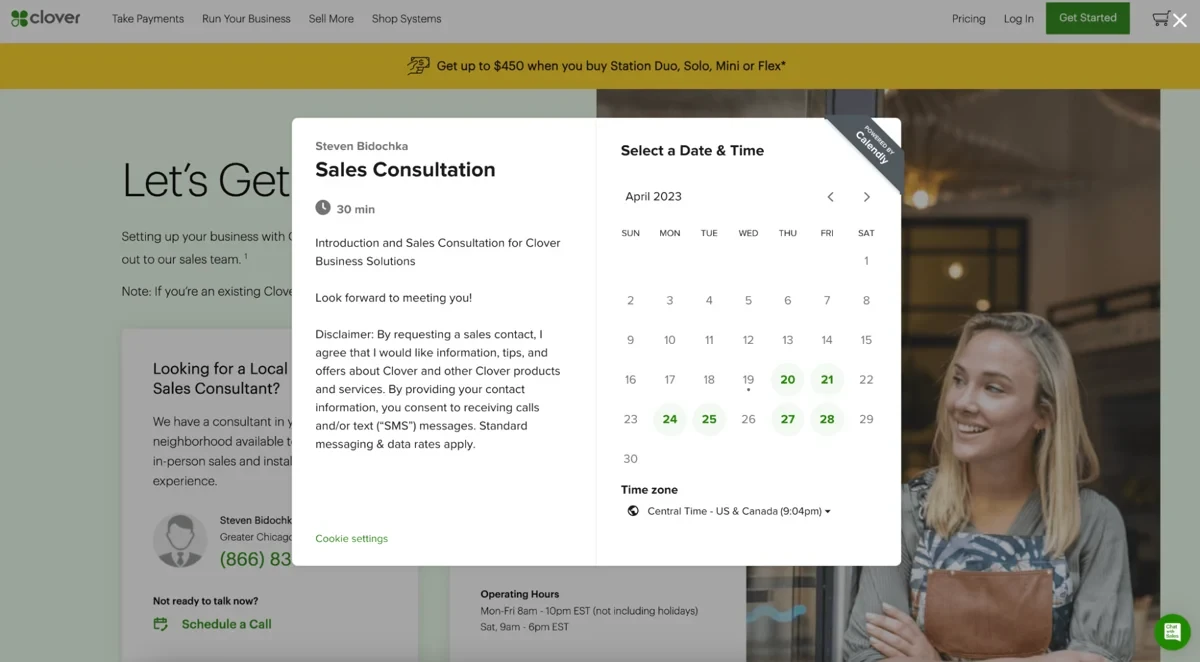
The person booking gets to try a tool that cuts down on messages about when to meet. If they often arrange meetings too, they may set up their own page and send links to others.
In a 2025 look back at its early growth, Calendly also linked sharing links and booking meetings to gaining new users.
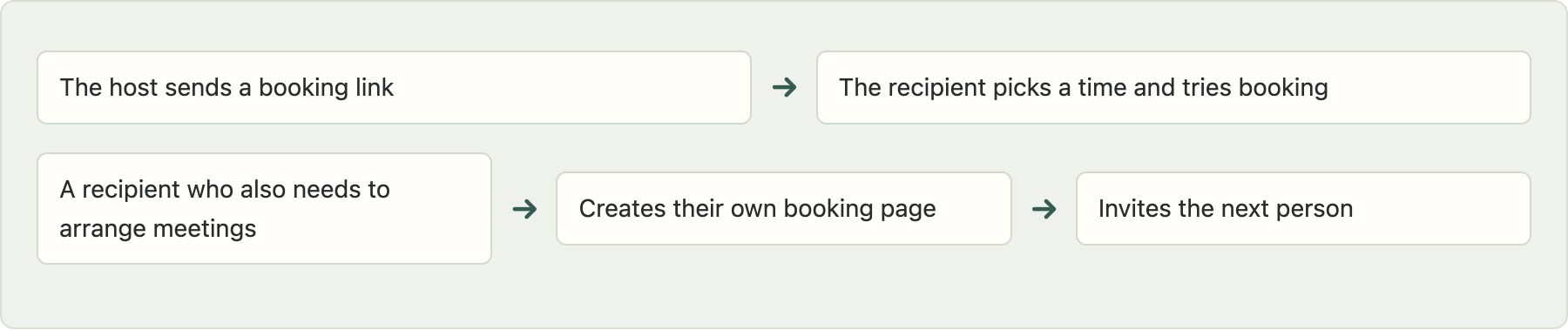
To finish their own task, a user lets someone else try the product. The free plan makes it easier for the host to start. The booking task gives the product a way to spread.
Free access lowers the barrier to entry. The task determines who encounters the product next. If a tool does all its work on one person’s computer, removing its price will not create a second person to share it with.
People who receive a booking link may not need their own booking tool. Some rarely arrange meetings. Others already use another service. Some dislike the approach and feel the sender has passed the work of choosing a time to them. Calendly has discussed this question of booking-link etiquette.
Keep three actions separate. Opening the booking page means a new person has seen the product. Choosing a time means they have booked this meeting. Setting up their own page and sending invites means they have started using Calendly for their own needs.
Booking a meeting for someone else and adopting the tool yourself are different actions. To find out whether it brings in paying customers, keep tracking who buys and keeps using it.
People may like the work without needing the tool that made it
Another common approach is to put the product’s brand on work made by free users. Mailchimp helps businesses and creators make and send marketing emails. Its current footer rules require emails from free accounts to include a referral badge. Readers may see the tool’s brand as they read.
This differs from a booking link. A person who gets the link uses the product to finish a task. An email reader mainly wants the content. Subscribing to restaurant offers may mean someone wants a meal. It does not mean they need to send marketing emails to customers.
When users share their work, ask who likes the result and who needs to make that kind of result. Readers who run email campaigns may notice the tool and try it. Others may simply read the email. That meets the sender’s goal, but may not add users for the tool.
Only some of the people who enjoy the work may become buyers of the tool. Readers with a need to send emails must still notice the footer brand and understand the tool before they try it.
More free sends mainly create more chances to see that brand. If most readers have no need to send emails, more views will do little to close the gap.
This changes what a team should improve first. Check whether people who already see the work have a reason to use the tool and a clear way to start. Then consider higher limits. Otherwise, you may keep funding the spread of popular work and mistake it for future growth in tool use.
Users may pay as their own business grows, even without referrals
Free users may create value through their own businesses. In a 2010 user discussion, one person said Mailchimp’s free account let them start an email project. They were willing to pay as it grew. Others said free limits on some other products already met their needs, so they had no plans to upgrade.
Those were their intentions at the time. Whether they later bought is a separate question.
Neither group was paying, but their futures could differ. The first had a project that might grow. A small list could get started for free, then need more sends later. The second already had a plan that met their ongoing needs. Waiting alone would not create a new need.
Counting both as one group of “free users” hides a key difference in why they might pay.
A lack of referrals does not, by itself, mean a free plan has failed. It may help small projects start and let them buy when they need more. Judge that path by which projects grow, when they need paid features, and how many stay and buy. “They might pay later” cannot justify waiting forever for every user.
Free use may also help a team learn. Set a clear question and an end point, such as finding the step where new users give up. Once you have an answer, review what support to keep. Both learning and future revenue need signs of progress you can observe.
A good upgrade rate may still fail to cover a free plan’s costs
Baremetrics is an analytics tool that helps subscription businesses track revenue and customer losses. In a review of its 2015 free plan, its founder reported 53 upgrades from 461 free accounts that fit the product’s requirements over 11 weeks. That was about 11.5%, adding almost $5,000 in monthly recurring revenue.
But the free plan placed no limit on customer counts and still processed each account’s full data history. Processing and support demands rose, and the paid service suffered. Nearly 60 customers left in the same period.
The team later switched to a 14-day trial, stopped processing data for accounts that did not pay, and improved its systems.
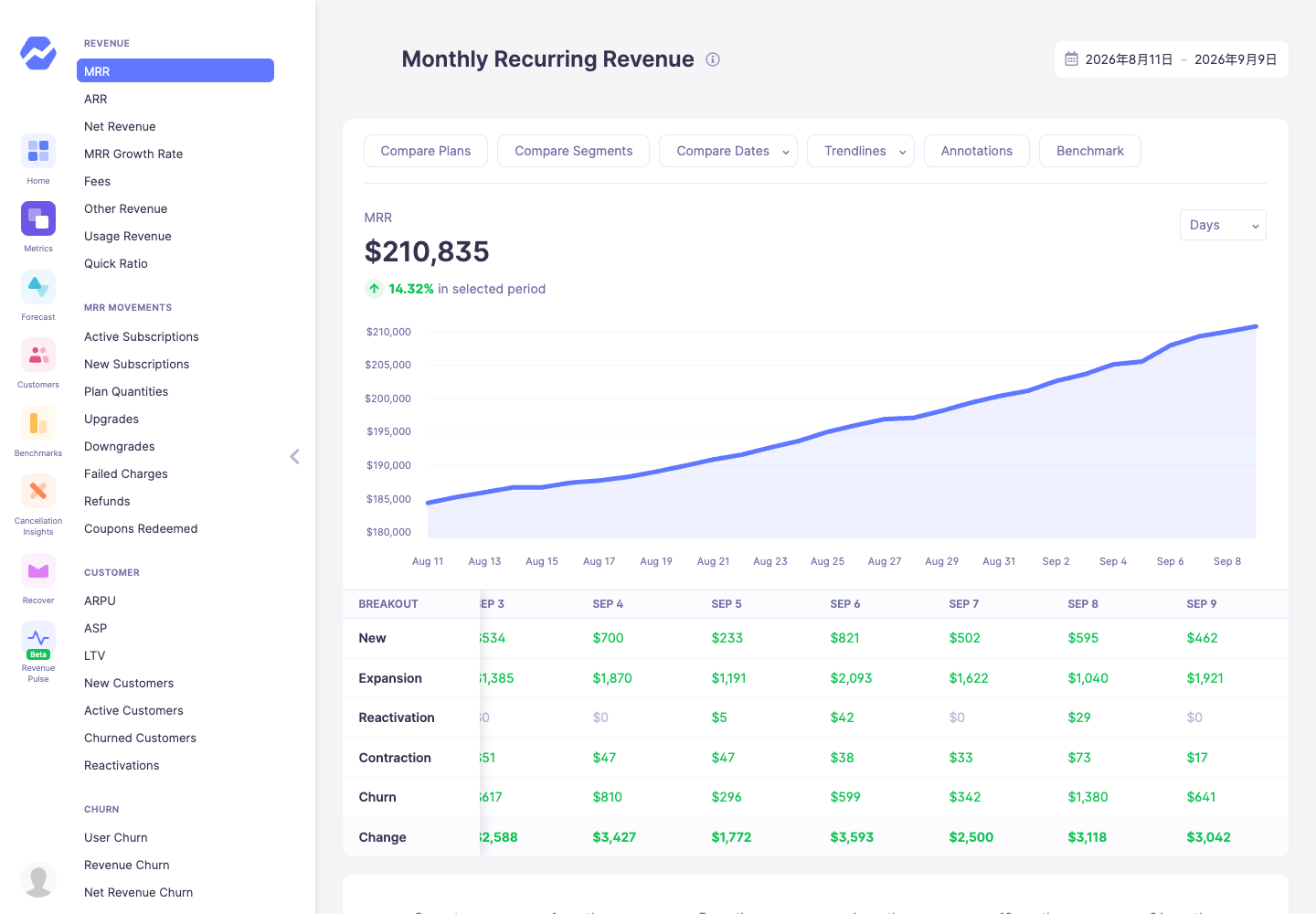
The free plan hid some advanced features, but the company still processed the full data history behind them. A feature the user could not see did not mean less work for the service. As data grew, servers and support staff could face more demand.
A free plan needs both a choice of paid features and limits on costly use. If storage and data processing drive costs, assess limits on storage, processing runs, or the amount of past data included. Above those limits, you might require an upgrade or pause new processing.
Yet a resource that costs money to provide may not be something users want to buy on its own. They may pay to save time, handle more business, or get fuller analysis.
Free limits must fit what the business can afford. Paid plans must fit what users value. Unlimited use is not always a pricing mistake. What matters is the extra cost and whether the free plan’s returns can cover it.
This case does not mean free use always harms paying customers. Both the systems’ capacity and the plan’s design shaped the outcome. Customers who left in that period also had their own reasons.
The clearer lesson is to weigh upgrade revenue against the ongoing cost of free users and the experience of existing customers. The upgrade rate alone cannot tell you whether the plan pays off.
Before expanding free use, find the uses that produce a return
If free use is already high, choose a group that has completed a core task and observe it for a set period. If the product spreads through invites, check whether recipients become hosts. If it spreads through branded work, check whether readers who need to make similar work start using it.
Track receiving, seeing, and adopting separately. That helps you decide whether to change the invite, the way people find the tool, or the free limit.
If you mainly expect upgrades, follow the same group of users over time. Are their tasks growing? Do they need paid features? Do they buy and keep using the product?
Choose a period that fits the buying cycle, and set it in advance. Avoid moving the expected return further into the future each time results fall short.
Set an affordable cost range for this review. Watch support response times, service reliability, and whether paying customers stay. If use and costs rise without progress in adoption or sales, tighten the most costly limits or test a time-limited trial.
If a group keeps bringing in suitable users or upgrades within a time you can afford, invest more in that use.
A free plan is worth expanding when it brings in suitable new users or helps existing users move toward payment at a cost the business can bear. If only use is rising, find out why before giving more away.