Start here
The customer acquisition channel most worth testing first with the time, budget, and evidence you have now.
Add a public product URL or a short product brief, then set the constraints you can actually work with. Get a ranked shortlist, a first test, and visible uncertainty—not a final growth plan.
Illustrative channel shortlist
A generic list of marketing channels cannot tell you where to start. This is the shape of a decision based on your product, target customer, and practical limits.
Illustrative situation
A B2B SaaS in private beta for small sales teams; North America; 3–7 hours per week; under $500 to test.
Your decision
The customer acquisition channel most worth testing first with the time, budget, and evidence you have now.
Why the channel matches your customer and stage, plus the smallest practical first action.
The signal that tells you to continue, adjust the experiment, or try the next customer acquisition channel.
The channels to put on hold, what needs to change before reconsidering them, and what you still need to learn.
Get 3–5 customer acquisition channels ranked for your audience, stage, market, time, and budget—then focus your first effort on one.
Understand why a channel matches your current situation, what the smallest first action is, and why other options should wait.
Use a small test and a clear signal—such as replies, trials, signups, or interviews—to continue, adjust, or move on.
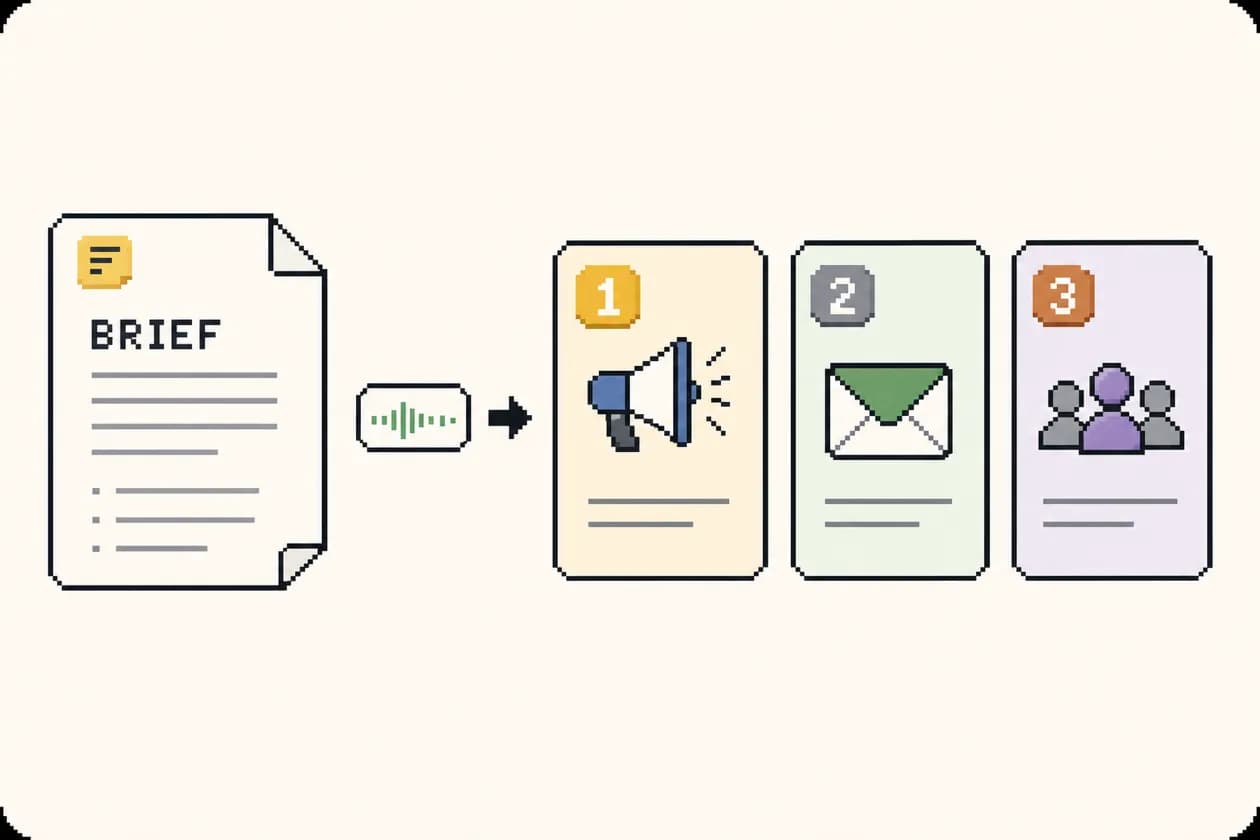
The best customer acquisition channel for an early-stage team is rarely the most popular platform. It is a place where your target customers already pay attention, where your product can earn trust, and where you can keep showing up.
Add a public product URL or a specific pre-launch brief. The selector ranks 3–5 options for your current situation and gives each one a practical first action.
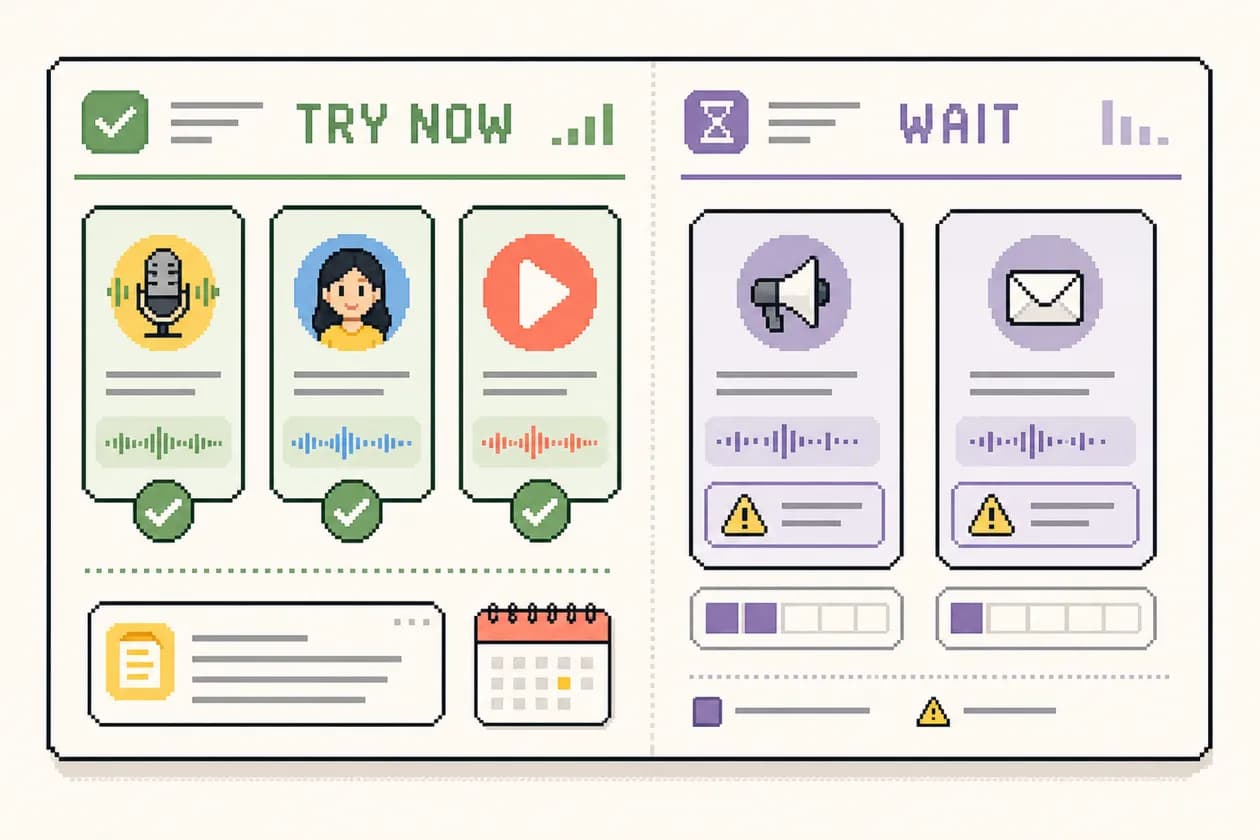
SEO, paid ads, social media, communities, partnerships, and launch platforms can all work. They should not all be your first experiment. Their value depends on who you need to reach, how mature the product is, and what you can sustain.
Your shortlist makes that trade-off visible: which customer acquisition channels to defer, why they are premature, and what would need to change before they become worth testing.
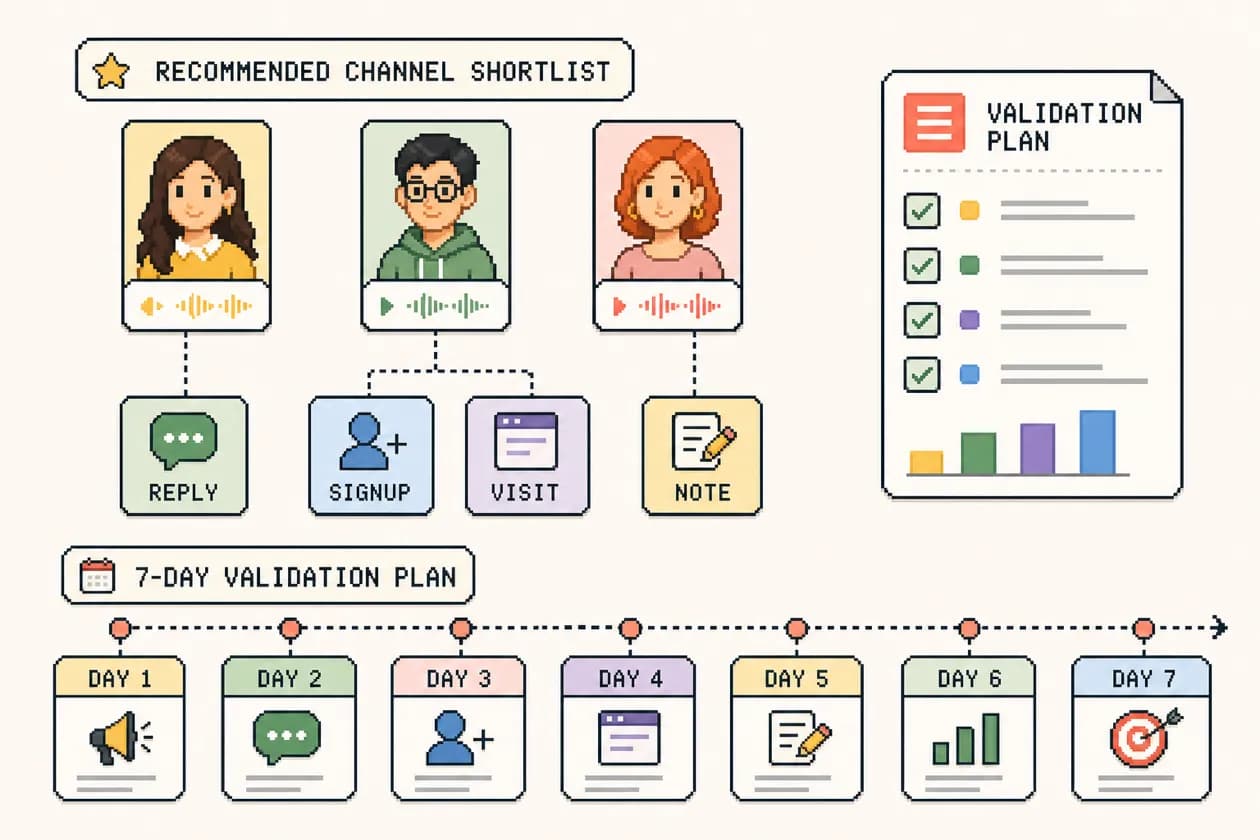
A growth marketing strategy also covers your positioning, funnel, activation, retention, and measurement. This selector focuses on one early decision: where to find the first customers to learn from.
Treat the result as a hypothesis. Run the suggested first action, watch the stated signal, then continue, change the test, or move on before committing more budget.
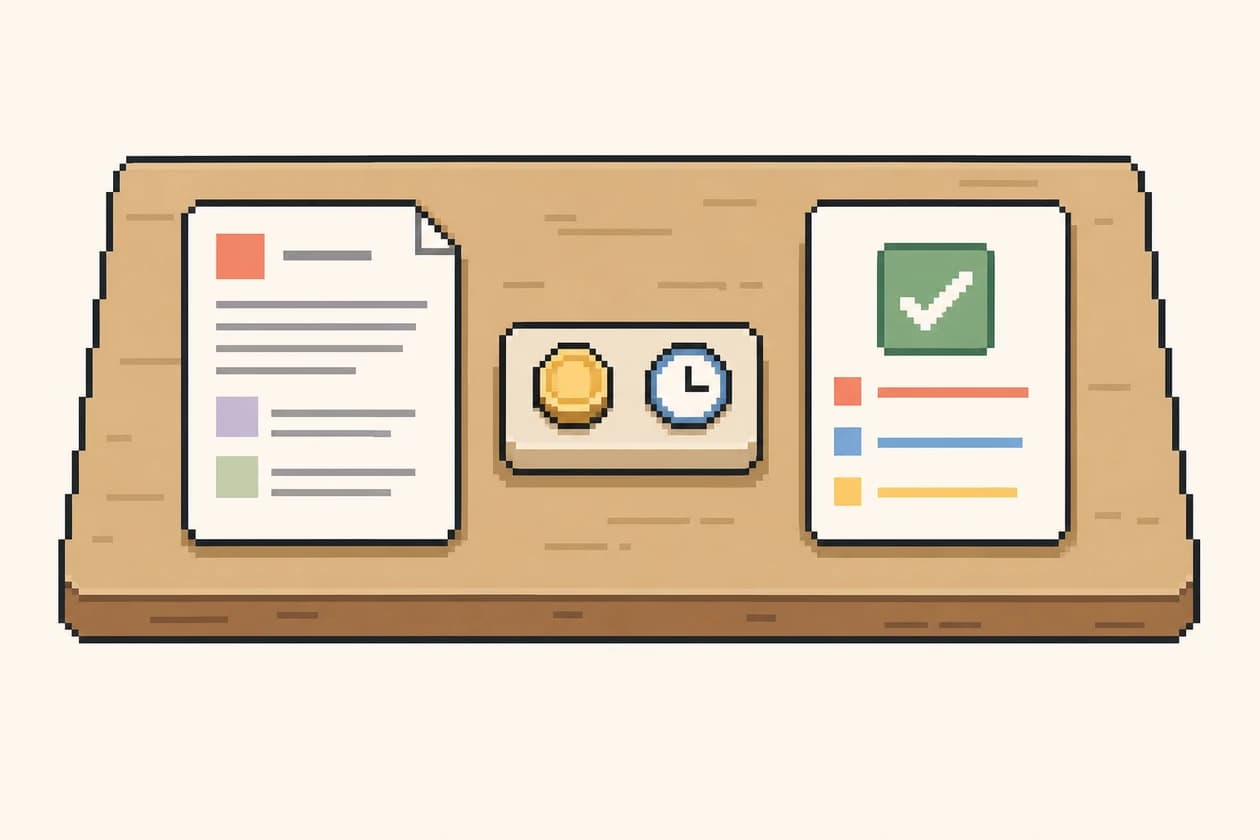
Use these answers to understand what the customer acquisition channel selector can decide, what it needs from you, and how to test the result.
A customer acquisition channel selector is a decision tool that helps you choose which acquisition channels to test first. Tomako compares your product, customer, stage, market, time, and budget, then returns ranked options instead of a generic list of marketing channels.
Enter a public product URL or a specific product brief, then choose the product type, market, stage, weekly time, and test budget. The customer acquisition channel selector uses those constraints to build a shortlist; adding your audience, existing assets, and channels already tried can make the comparison more specific.
The customer acquisition channel report includes 3–5 priority channels, why each fits now, a first action, required assets, validation metrics, risks, channels to defer, a short execution plan, missing information, and a confidence boundary.
Customer acquisition channels are the routes a business uses to reach and convert new customers. Common examples include SEO and content, founder-led outbound, communities, partnerships, referrals, product launch platforms, email, paid search, paid social, events, and marketplaces.
There is no single best customer acquisition channel for every startup. The best starting channels are where your target customers already pay attention, where your product can earn trust, and where your current time and budget can produce a measurable signal; those conditions differ for B2B SaaS, consumer apps, developer tools, and marketplaces.
Start with a customer you can realistically reach and a test you can afford to repeat. Compare customer fit, product stage, required assets, speed to feedback, cost, and the smallest action that can generate replies, trials, signups, or interviews; the selector makes this trade-off visible.
Channel selection is one part of a growth marketing strategy, not the strategy by itself. A broader strategy also covers positioning, funnel design, activation, retention, measurement, and an experiment portfolio. This customer acquisition channel selector helps with the earlier question: where should an early team look for the first customers and learning signals?
Early startups often begin with organic or founder-led customer acquisition channels when they still need customer language and product feedback. Paid acquisition can be useful when the audience, conversion path, economics, tracking, and test budget are clear; the selector may defer ads when those foundations are missing.
Test one channel with one audience, one concrete action, and one observable signal before increasing the budget. Use the report's first action and validation metrics, record what would weaken the hypothesis, then continue, revise, or move to the next ranked channel.
Yes. A public website is helpful but not required: SaaS, private beta, and pre-launch teams can provide a manual brief that explains the customer, problem, product, and stage. With less public evidence, the customer acquisition channel selector may return a lower-confidence report and more missing information to review.
No. A customer acquisition channel selector produces a ranked hypothesis, not guaranteed customers or revenue. Validate the recommendation with real replies, signups, trials, retention, or interviews before committing long-term budget or treating it as a complete customer acquisition strategy.